

Remote Work Is Here to Stay And Your Hiring Process Isn’t Ready
Published:
January 28, 2026
All
Recruiting Tips
AI Recruitment
Video Interviews
Candidate Experience
Workforce Planning
Employer Branding
Remote work has evolved. Most hiring processes haven’t, and it’s costing companies time, talent, and credibility.

Remote work is no longer a trend job seekers are “open to.”
For many candidates, it’s the expectation.
People want flexibility, autonomy, and the ability to work without being tied to a location. Companies, on the other hand, want access to wider talent pools, faster hiring, and teams that can operate across time zones. On paper, it’s a perfect match.
In practice, hiring hasn’t kept up.
Many organisations are still using hiring processes designed for in-office roles—resume-heavy screening, phone calls, calendar coordination, and multiple live interviews. That approach clashes directly with how remote work actually functions.
Remote work didn’t create hiring problems. It exposed them.
Remote Teams Work Differently — Hiring Should Too
Remote work is built on outcomes, not presence. Teams communicate asynchronously, collaborate across schedules, and rely on clarity instead of constant meetings.
Yet hiring is still dominated by real-time dependency:
Phone screens that require overlapping availability
Live interviews scheduled weeks out
Back-and-forth emails just to move one step forward
For remote candidates, this feels outdated. For hiring teams, it’s inefficient. The result is slower hiring, higher drop-off, and missed talent.
If work can happen without everyone being online at the same time, hiring should be able to as well.
Why Video Works Better for Remote Hiring
Remote work removes the need for physical presence, but it raises the bar for communication presence.
Text-based hiring tools like resumes and long written applications were never designed to evaluate how someone communicates in a distributed environment. They hide clarity, confidence, and reasoning behind formatting, keywords, and writing polish. Phone screens don’t solve this either, they still rely on real-time availability and often reward speed over substance.
Video changes the equation without reintroducing old constraints.
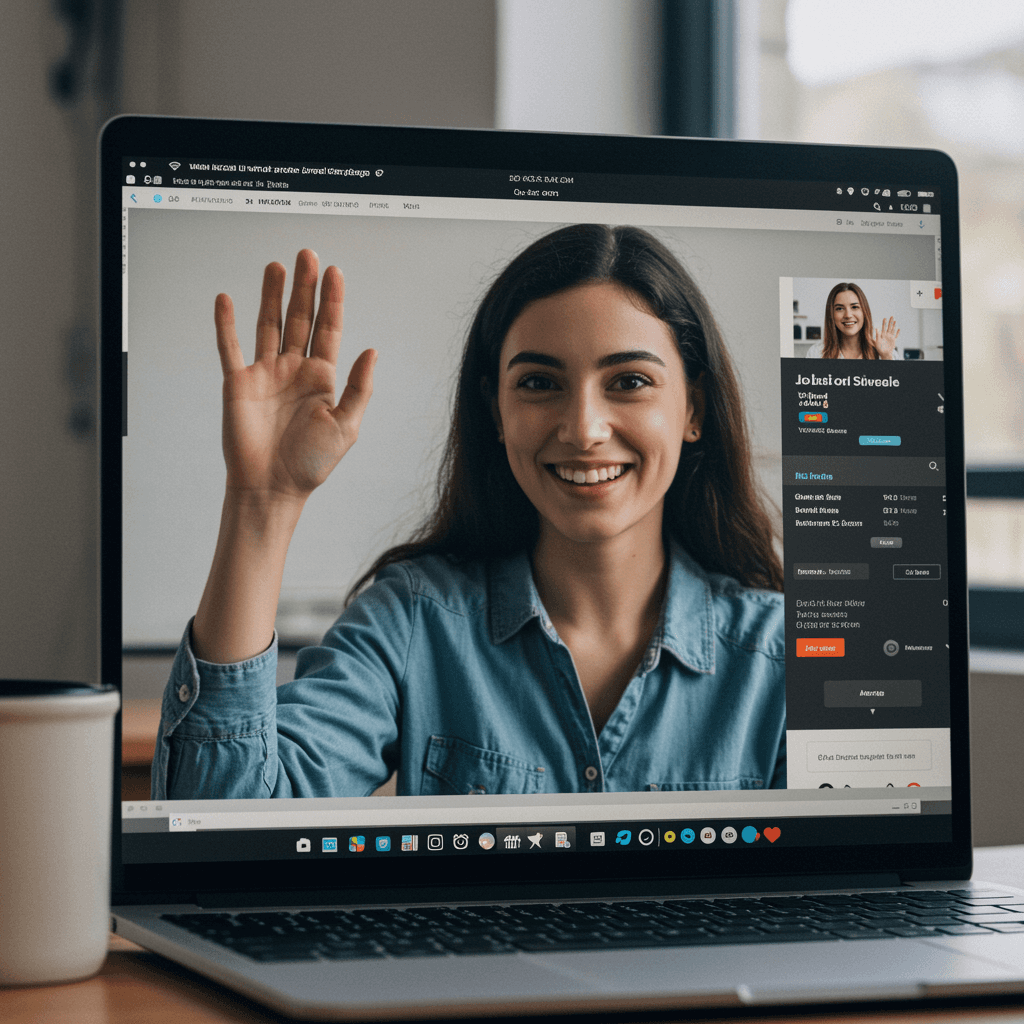
Video-based hiring allows employers to understand how candidates communicate, not when or where they do it. Candidates can explain ideas clearly, walk through their thinking, and present themselves without the pressure of a live call. This mirrors how remote work actually functions: asynchronous communication, thoughtful responses, and clarity over immediacy.
For employers, video provides early insight into communication style, structure, and confidence without scheduling meetings or forcing time-zone alignment. For candidates, it removes the stress of real-time performance and allows them to respond when they’re ready.
In remote hiring, the goal isn’t to recreate office presence.
It’s to evaluate whether someone can communicate effectively when working remotely.
Video supports that goal far better than text or phone calls ever could.
Faster, Fairer Hiring Needs Better Systems
Remote hiring also demands more consistency. When teams are distributed and candidate volume is high, unstructured screening leads to uneven evaluation and bias.
Modern hiring platforms are built to solve this by:
Standardising early-stage screening
Allowing candidates to respond on their own time
Enabling teams to review candidates in batches
Making collaboration easier without more meetings
This is not about removing humans from hiring. It’s about removing friction so humans can focus on decisions, not coordination.
Why Platforms Like DigitalHire Exist
Companies didn’t adopt remote work because it was trendy. They adopted it because it was more flexible, scalable, and resilient.
Hiring platforms like DigitalHire exist for the same reason.
They are built to support:
Video-first hiring instead of phone-first screening
One-way video interviews instead of calendar dependency
Faster movement from application to decision
Remote and global hiring without operational chaos
In a remote-first world, hiring systems must work even when people aren’t available at the same time. Platforms designed for modern hiring make that possible.
This Is What Job Seekers Are Expecting
Today’s candidates expect:
Clear next steps and fewer interview rounds
Faster feedback
Flexibility in how and when they interview
A process that reflects how they’ll actually work
When hiring feels slow, rigid, or outdated, candidates disengage especially those who are most in demand. Remote talent has options, and hiring experiences are part of how companies are evaluated.
In Conclusion
Remote work isn’t slowing down, and hiring shouldn’t either. Teams that continue relying on outdated, call-heavy processes will keep losing strong candidates to faster, more flexible employers. If you’re serious about hiring for remote roles, it’s time to modernize how candidates experience your process.
Move to a video-first hiring approach with DigitalHire and start hiring faster and smarter.
FREE JOB POST
Looking to fill a position quickly? Post your job for free and reach top talent today!