

The Smart Resume Playbook for AI Job Platforms
Published:
All
Career Development
Job Seeker Tips
AI Recruitment
Your resume isn’t just for recruiters anymore, it’s for AI. Here’s how to optimize it and get better results.
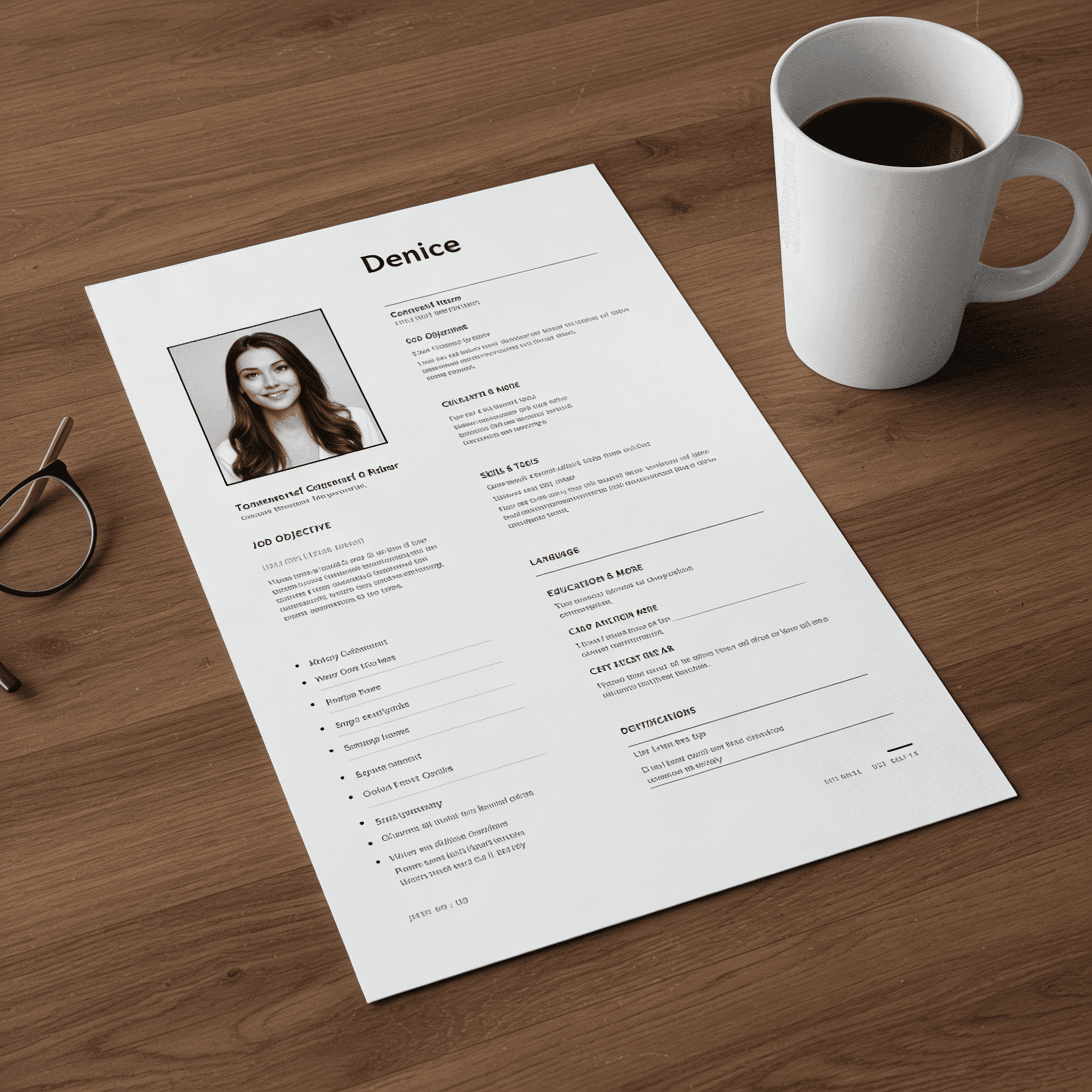
Optimizing your resume for AI-powered job platforms isn’t about tricking machines, it’s about making your experience clear, searchable, and compelling so both AI scanning systems and human recruiters can see your value.
If you’ve been applying to jobs online but rarely hear back, you’re not alone. Every day, thousands of resumes are uploaded to job boards, but most never make it to human eyes. Why? ATS-friendly resume systems and AI-powered platforms are designed to filter applications before a recruiter even sees them.
The good news? With some strategic tweaks and a little help from AI, you can dramatically improve your chances of being noticed. This guide will walk you through everything you need to know to make your resume stand out, without losing your personal voice or authenticity.
Understanding ATS and AI Job Platforms
First, let’s break down what’s happening behind the scenes. AI scanning systems and ATS platforms scan resumes for keywords, formatting, and structure. They evaluate candidates against job descriptions, ranking applications based on relevance. This means your resume isn’t just competing with other people, it’s competing with the system itself.
Here’s how modern AI-powered ATS systems generally work:
Parsing Stage – The system extracts text from your resume, converting it into structured fields like contact info, work experience, and skills.
Keyword Analysis – AI compares your content to the job description, looking for direct matches and related terms.
Scoring Algorithm – A numerical score is assigned based on relevance to the role, experience alignment, and keyword usage.
Ranking – Your application is ranked against others, and only the top matches reach human recruiters.
Without the right keywords, structure, or clarity, your resume may get filtered out even if you’re highly qualified. This is why AI resume optimization is no longer optional, it’s essential for job seekers today.
Why AI Makes Resume Optimization Easier
AI doesn’t just automate the screening process; it can help you craft resumes that are both machine- and human-friendly:
Keyword recommendations – AI tools analyze job descriptions and highlight terms that should appear in your resume, giving you effective resume keyword tips.
Formatting guidance – They suggest layouts and section structures that ATS can read reliably, ensuring resume formatting for AI.
Content improvement – From action verbs to achievement-focused bullet points, AI helps you present your experience clearly.
Personalization – AI can identify which skills and achievements are most relevant for each role, so you can tailor your resume quickly.
Think of AI as a smart assistant guiding your resume to be seen, understood, and valued, boosting your AI job platform visibility.
Step-by-Step Guide to Optimizing Your Resume
Here’s a practical approach to making your resume AI-ready:
Start with 3–5 job postings that match your target roles. Copy the full text into your AI tool or note key points manually. Look for:
Repeated keywords
Required skills and qualifications
Preferred experience and certifications
Create a master keyword list. Focus on the terms that appear most often, they’re likely what the ATS will prioritize.
Upload your existing resume to an AI-powered checker. These tools simulate how ATS reads your document and give feedback on:
Formatting issues
Keyword gaps
Missing sections or headings
Overall readability and structure
Most tools provide a compatibility score. If it’s below 75%, your resume needs optimization.
Use your keyword list thoughtfully, don’t stuff them unnaturally. Here’s where to place them:
Professional Summary: Integrate 3–5 primary keywords naturally.
Work Experience: Include keywords in context of achievements, not just job duties.
Skills Section: Match exact keywords from job descriptions.
Certifications & Education: Add relevant credentials and dates.
The goal is balance: optimize for AI while keeping it readable for humans, following resume writing best practices.
AI tools can help turn bland bullet points into achievement-driven statements. For example:
Before: “Responsible for managing a team and completing projects.”
After: “Led a cross-functional team of 8 to complete 12 projects on schedule, improving efficiency by 25%.”
Use numbers, percentages, and results wherever possible. Quantifying your impact not only impresses recruiters but also signals relevance to AI systems.
Modern AI systems understand context, not just exact words. This means related terms, synonyms, and industry jargon can improve your ranking. For example:
“Team leadership” and “people management” may be treated as equivalent.
Highlight contextually relevant skills even if the job description doesn’t list them verbatim.
This semantic optimization ensures your resume demonstrates depth and industry knowledge, supporting your resume improvement strategies.
Even the best content can fail if your formatting confuses the AI. Keep it simple:
Standard section headings: Work Experience, Education, Skills, Certifications
Clean fonts like Arial, Calibri, or Times New Roman
Avoid tables, columns, graphics, and unusual symbols
Save as .docx or PDF, depending on employer instructions
Organize sections logically: contact info first, then professional summary, work experience, education, and skills
Following resume formatting for AI ensures that your information is correctly interpreted by all AI scanning systems.
Some pitfalls can hurt your resume’s AI performance:
Keyword stuffing: Too many repetitions make your resume sound unnatural.
Overly complex formatting: Fancy designs can confuse ATS parsing.
Inconsistent contact info: Ensure email and phone number are correct and professional.
Ignoring human readability: Recruiters still read resumes, make it clear and compelling.
Resume optimization isn’t a one-time task. Keep monitoring:
Response rates from applications
Interview invitations
ATS compatibility scores
Time to recruiter feedback
Consider creating A/B versions of your resume to test which format, wording, and keywords perform best. This is a critical part of AI resume optimization and resume improvement strategies.
Advanced AI Strategies
Once you’re comfortable with basic optimization, explore more advanced techniques:
Dynamic Resume Customization: Automatically adjust your resume to each job posting.
Contextual Keyword Placement: Use AI to identify which keywords to emphasize based on job requirements.
Achievement-Focused Statements: Let AI suggest improvements that showcase measurable results.
These methods maximize your visibility while saving hours of manual tweaking and improve your AI job platform visibility.
AI Insights to Supercharge Your Resume
Optimizing your resume is just the beginning. To truly stand out in 2025, leverage these lesser-known AI strategies:
Hidden Keyword Discovery: AI can find in-demand skills not obvious in job postings.
Competitor Resume Analysis: See what top candidates highlight and differentiate yourself.
Predict Job Fit: Advanced AI tools score how well your experience aligns with a role.
Soft Skills Optimization: Demonstrate leadership, communication, and adaptability.
A/B Testing: Experiment with summaries, bullet points, and section orders to see what performs best.
By using these insights, your resume becomes a dynamic, evolving tool that continually adapts to both human recruiters and AI scanning systems.
Take Action: Make Your Resume Work Smarter
Optimizing your resume for AI-powered job platforms doesn’t have to be complicated. By strategically using keywords, simplifying formatting, and enhancing content for both machines and humans, you increase your chances of landing interviews and advancing your career.
The first step? Upload your newly optimized resume to DigitalHire. See how AI platforms respond, identify areas to improve, and start connecting with opportunities that match your skills and ambitions. Your next interview could be just one AI-optimized resume away.
Find Your Dream Job
Put your best foot forward in your job search. Stand out from the crowd, and get hired fast!